What to Expect in Early Grief: A Survival Guide for the Early Days

Much of the early days of my grief felt like a blur. What I remember most is that I was simply surviving: wake up, force myself to eat, get through the day, sleep, repeat. Crying became as natural as breathing.
I felt as though I had been plunged onto another planet without my permission. My world halted to a stop, but the world kept spinning.
I remember staring at my favourite bowl of noodles and, for the first time in my life, feeling no appetite for it. Things that once required no effort became hard. Everything felt pointless.
Perhaps you can relate to this feeling of emptiness. If you are in the thick of it right now, I see you and I feel with you. There is no single way to grieve — every loss is unique because each relationship in unique. Know that grief is not something to be fixed or rushed.
You might be wondering, how am I ever going to get through this? How do I live forever without this person in my life?Sometimes, getting through the next minute is all we need to focus on. In this blog, I write about what to expect in the early days and months, and offer some suggestions on how to survive early grief.

What to Expect in Early Grief
When you are grieving, your body is grieving too. Your nervous system may shift into a freeze response to protect itself, and even more so after the shock of a sudden or traumatic loss, where the threat can feel as though it is still present. You might find that motivation is absent, movement takes every ounce of you, and even the simplest tasks feel like too much.
In grief and traumatic loss, your window of tolerance shrinks. Things that were once minor annoyances now feel hugely agitating, and small things test your patience in ways they never did before.
And the losses within the loss are numerous. You are not only grieving the loss of your person - you are grieving the future and everything that went with the person.
You may be experiencing flashbacks and difficulty sleeping, If your loss was sudden and traumatic, you may be carrying grief and trauma at the same time. If your relationship with your person was complicated, you might also be dealing with conflicting feelings.
What ifs might be looping in your mind, and you might find yourself struggling with feelings of guilt and regret.
Picture your grief as a sudden, uninvited guest that is now here to stay. You are having to get acquainted with something unfamiliar, learning what it needs, and how to live alongside it.
Here are some things that may help you tend to your body and heart as you get to know grief:
Focus on your basic needs

Grief is physically exhausting. Things that once felt simple such as eating, drinking, sleeping, and showering no longer do. These are now acts of survival.
Try to eat and drink regularly, shower when you can, and rest as much as your body allows.
If cooking feels impossible, consider the following:
Food delivery for the days you simply cannot manage
Batch cooking: make a large pot of something simple and freeze portions to reduce the number of times you need to cook
Meal kit delivery: this removes the decision-making and the trip to the grocery store
Simple snacks kept within reach
A nutritionist or dietician with experience supporting grievers, if you need more structured help

Get outside in nature and move, even a little
Movement can help anchor you in the present. A brief 10-minute walk around your neighbourhood, along a trail, or through a nearby park can bring a small sense of groundedness when everything else feels overwhelming.
As you walk, notice how the wind feels on your face. Take in the colour and hues of the grass. Listen for the sounds of birds chirping. Consider trying the rainbow walk: look for something in each colour of the rainbow as engage with nature.
This isn’t about forgetting your grief. It’s about expanding your capacity to be with it - pendulating between the present moment and the pain, giving your mind and heart a breather from the intensity of grief, even if just for a while.
Write it down

Starting a grief journal, or writing a short letter to your person, can be a way of putting feelings onto the page, giving your mind a way to externalize what it has been holding.
Even a few sentences, or a list of things you miss, can be a way of continuing your bond with your person. Some people find it helpful to write to their person, telling them about their day or saying what they wish they could still say. As Dr. Robert Neimeyer, renowned grief therapist suggests, you can play relaxing music as a timer to set the amount of time you would write for. Plan something restorative afterwards, such as a conversation with a trusted friend or going for a walk.

Give yourself permission to say no
In early grief and even months or years later, your social energy has shifted in capacity and priority. You may find yourself wanting to withdraw, particularly when others offer platitudes or unsolicited advice, however well-meaning. Small talk might now seem intolerable and meaningless, especially after something so life-altering and shattering.
Give yourself permission to say no to events or gatherings that feel like too much right now. Give yourself permission to leave events earlier. Take note of the people with whom you feel emotionally safe with, and lean on them when you can.
At the same time, notice when saying yes to certain individuals might serve your grief needs. Emotional support is one of the most important resources in grief, especially the right kind — people who can sit with you without trying to fix you.
Know your limitations
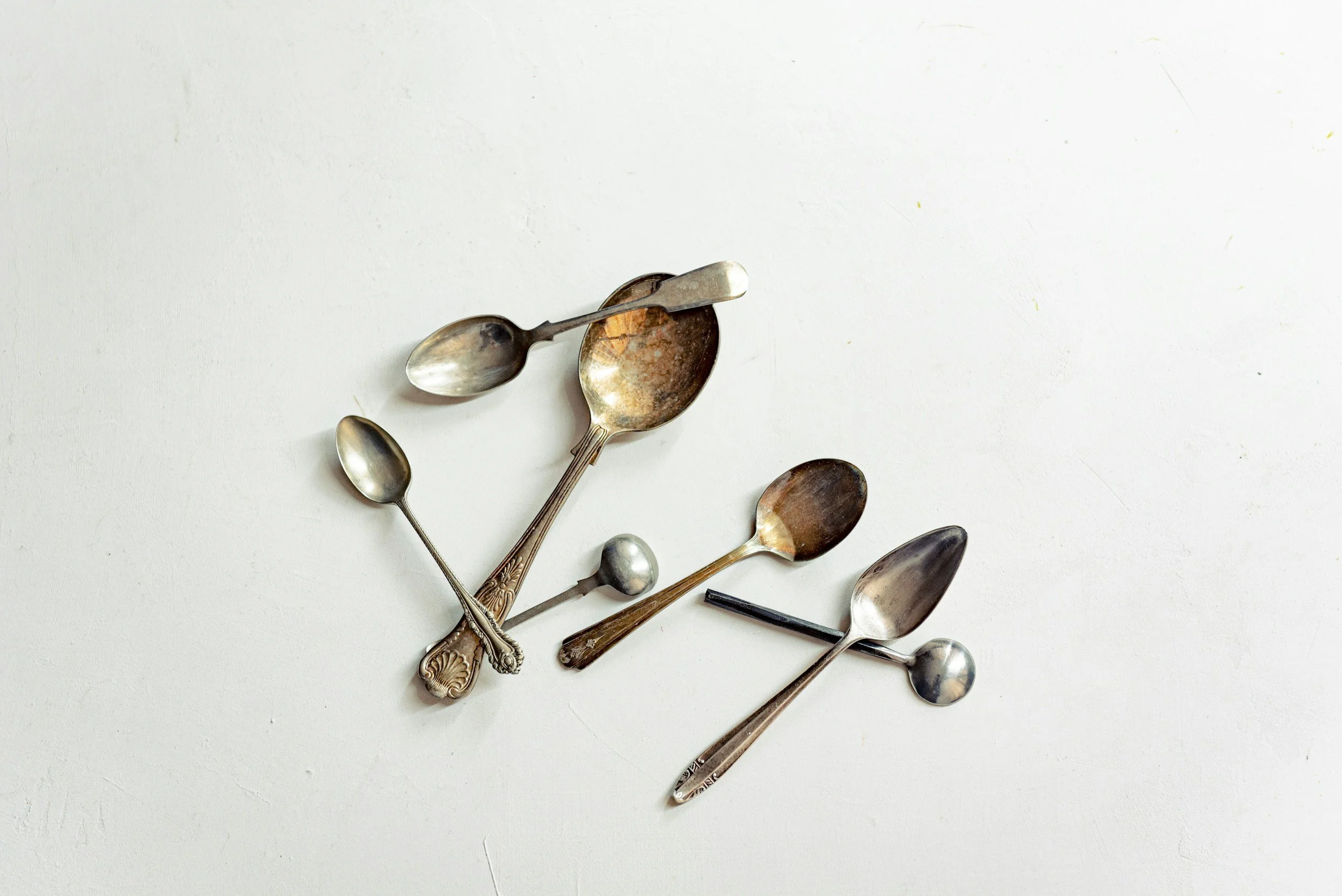
Grief changes your capacity and energy levels. Things that once felt manageable can tire you more easily. The spoon theory (coined by writer Christine Miserandino in 2003) offers a way to understand this: imagine beginning each day with a limited number of spoons, each one representing a unit of energy, whether social, emotional, mental, or physical.
Every task and interaction, uses one or several spoons, depending on how much it asks of you. Once they are gone, you have depleted all the energy at your disposal.
In grief, you start each day with far fewer spoons than before. Consider protecting your spoons where you can by directing your energy selectively.

Build a grief playlist
Music has a way of reaching places words cannot. Putting together a playlist of songs that resonate with your loss, songs that name what you are feeling, can help you feel understood.
Engage with art
You don't need to be an artist. Junk journaling or making a grief collage can provide a container for emotions that are hard to put into words. If you are not yet ready for grief-focused processing, cozy colouring can offer a low-demand activity.

Join a grief support group
Connection with others who truly understand can be one of the most comforting things in grief. In the very first weeks, survival may be all you can manage, and that is enough. But after some time has passed, you may find yourself ready to reach out.
Grief support groups, either online and in person, can offer a space where you do not have to explain yourself. Knowing that others have felt what you are feeling can help you feel a little less alone.
Reach out to a Grief Therapist Near You

Processing your grief with a grief therapist can make a difference, particularly if there are aspects of your loss that feel especially heavy — guilt, regret, anger, or things left unsaid. You do not have to carry these alone.
At Anchored Hearts Counselling and Grief Therapy, we support individuals in Coquitlam, Vancouver and throughout British Columbia in navigating loss, traumatic grief, and complex grief experiences. If you feel ready, we welcome you to reach out to us for grief therapy and counselling support.
Frequently Asked Questions
Is it normal to feel completely exhausted in early grief?
Yes, it is. Grief is not only emotional — it is also physical. Your body, heart, and mind are adjusting to a world without your person. Feeling wiped out by things that once felt manageable is a very normal part of early grief.
Will it always feel this hard?
Grief changes shape over time as you tend to it and learn how to carry it. Your capacity to be with grief can grow as you find ways to integrate it into your life. The intensity of early grief does not last forever, even when it feels like it might.
References:
https://www.maggies.org/about-us/blog/bereavement-the-early-weeks-and-months/
https://elizabethhospice.org/tips-on-how-to-survive-early-grief/
Working with Continuing Bonds in Grief Therapy - Dr. Robert Neimeyer and Edith Maria Saffen